
A SaaS Vendor That's Buying Eyes on the Ground
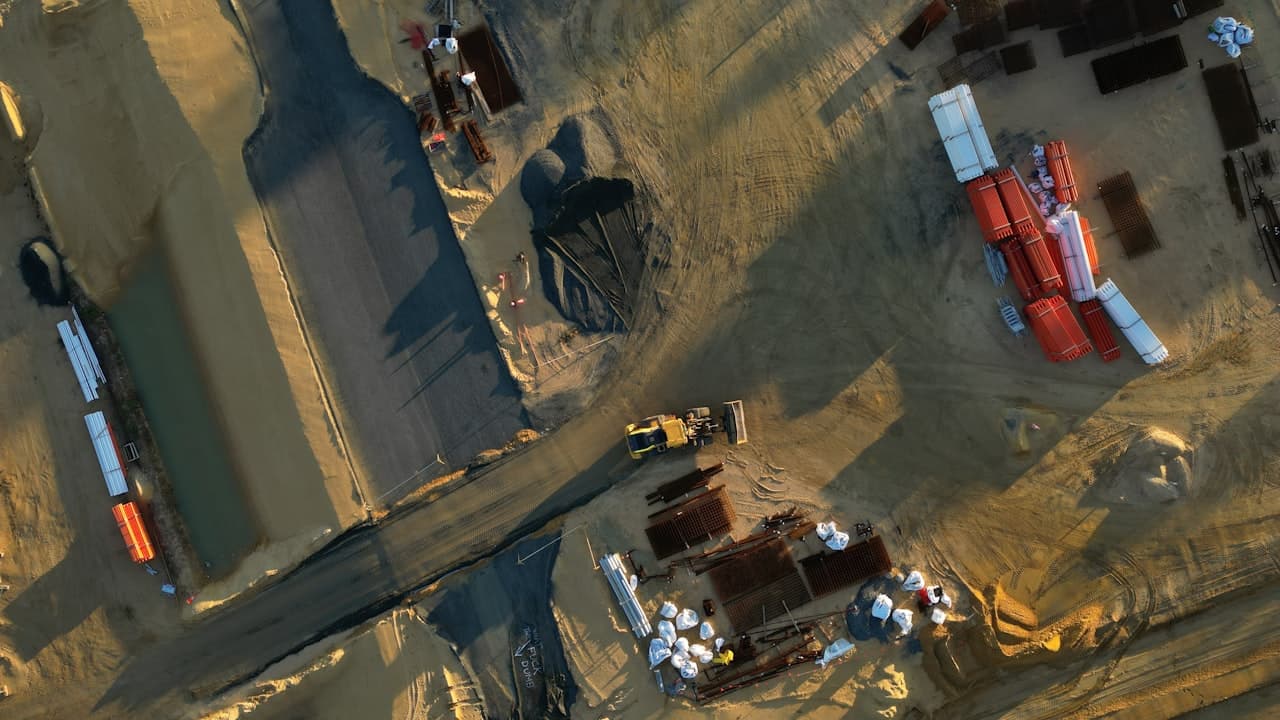
On July 29, 2026, Procore Technologies (NYSE: PCOR) announced the acquisition of DroneDeploy for approximately $845 million in cash. Subject to customary regulatory approvals, the transaction is expected to close during 2026. Behind the headline number lies a structural shift: vertical SaaS platforms are no longer content to manage the information field teams feed them — they want to capture physical reality themselves.
DroneDeploy: Thirteen Years of Built-World Visual Data
Founded in 2013 in San Francisco, DroneDeploy has built a visual intelligence and reality-capture platform deployed across more than 3 million job sites in over 180 countries. The company collects and analyzes data from drones, ground robots, and various camera systems. Its dataset spans approximately 20 billion square feet of built-world visual data, with more than 100,000 safety issues flagged across its archives. Prior to the deal, DroneDeploy had raised $178 million since inception, at an estimated valuation of approximately $610 million — representing a premium of roughly 40% paid by Procore.
Closing the Gap Between Software and the Ground
Procore's platform already manages 3 million construction projects across 150 countries, processing 400 million photos and 126 million plans each year. But that data is largely generated by field teams entering it manually. This is precisely where DroneDeploy changes the equation: its drones and robots traverse job sites autonomously, feeding the platform without requiring systematic human input.
The stated ambition is to transform Procore into a system that not only records what happens on site, but perceives it continuously. Detecting a structural delay before it cascades into a schedule overrun, flagging a safety non-conformity without dispatching an inspector, automatically reconciling actual progress against contractual commitments — this is what the combination of the two platforms makes technically possible.
Vertical Consolidation Is Accelerating
Construction remains one of the least digitized sectors of the global economy. Productivity gains have historically been structurally lower there than in manufacturing, partly because the physical complexity of job sites resists conventional management tools. The Procore–DroneDeploy deal targets precisely that gap: not by bolting on another module to an existing software suite, but by narrowing the distance between what the software knows and what is actually happening on the ground.
This move is not an isolated one. It reflects a broader pattern: dominant vertical SaaS players in operational sectors — construction, energy, logistics, industrial maintenance — are racing to integrate physical reality-capture capabilities before they get boxed into a purely administrative role. Vendors that remain simple record-keeping systems will face a erosion in perceived value against competitors able to sense and anticipate field events in real time.
The scarcity of this kind of asset — a visual dataset built over thirteen years, across millions of job sites worldwide — explains the premium Procore was willing to pay. That kind of dataset cannot be rebuilt from scratch.